Article · The business of sport
Hyrox has joined triathlon, and I'm not sure triathlon needed it
World Triathlon has made Hyrox's hybrid racing an official discipline, with the Olympics as the goal. Hyrox gets credibility. Triathlon risks its identity.
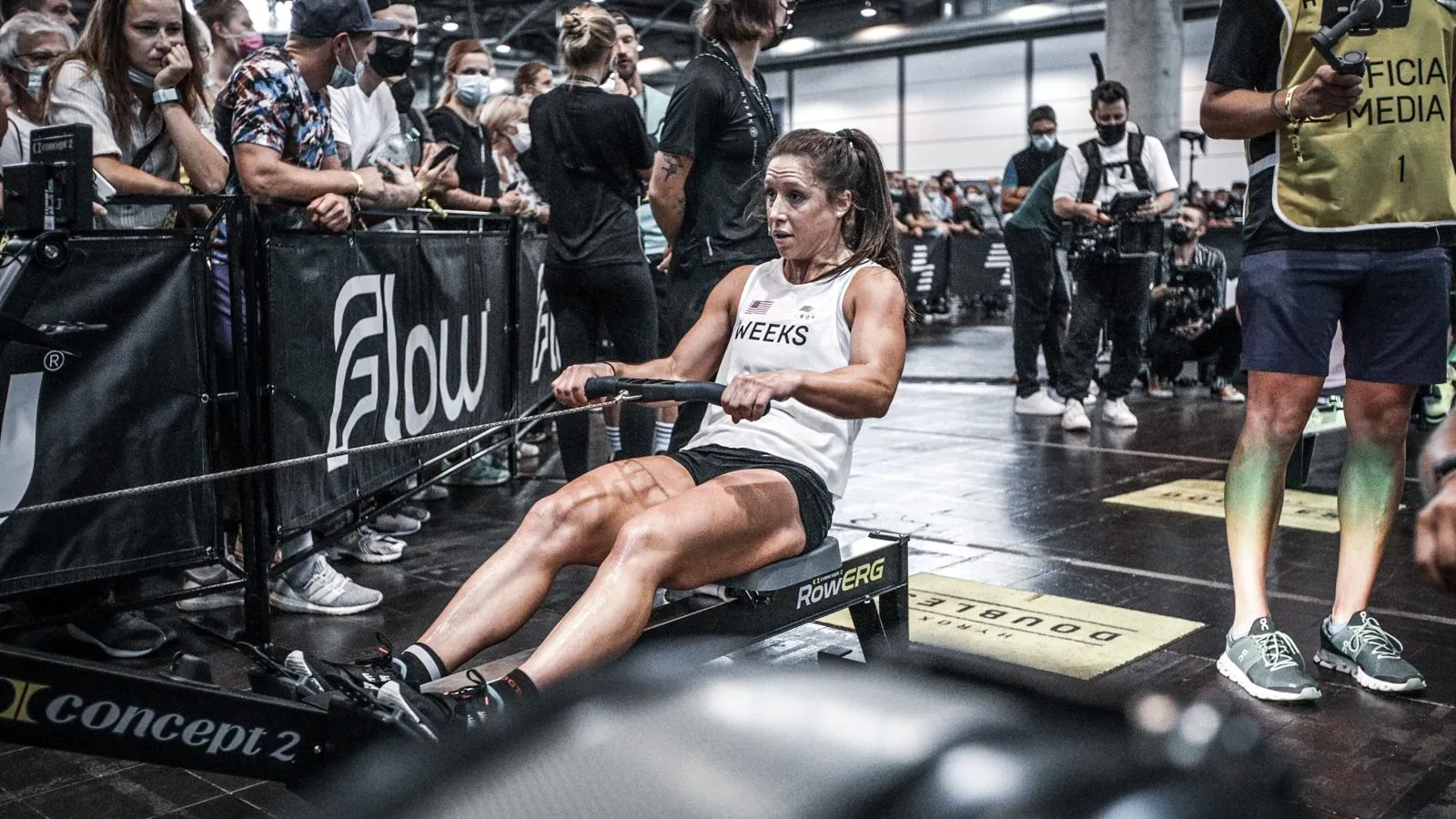
This week World Triathlon, the body that runs the sport worldwide, signed a partnership with Hyrox. Hyrox is the indoor fitness race that has taken off over the last few years: eight 1km runs, each followed by a gym station such as a sled push, a rowing machine, sandbag lunges or 100 wall balls. Under the deal, “hybrid racing” becomes an official discipline inside World Triathlon. Hyrox runs the elite championships, national federations can hold their own events, and both sides say openly that the aim is the Olympics. Athletech News has the details, and some reports name Brisbane 2032 as the target.
I’ve only been part of triathlon for the last 2 or 3 years, but it’s an incredible community, built around some serious athletes. It has a high barrier to entry because it takes so much time. You can’t swim, cycle and run to a decent standard without training upwards of 10 hours a week, and a full Ironman takes most people well over 10 hours on the day. The fastest Hyrox athletes finish in under an hour.
Is Hyrox really comparable to triathlon?
For me, I don’t think it is. I’ve done a Hyrox simulation and it wasn’t for me. It felt like a hardcore version of Barry’s Bootcamp. It’s a great way to train, stay in shape and look amazing, and the people who do it are no doubt seriously fit. But it isn’t the same thing as a triathlon.
Triathlon is known for being dirty, grubby, hardcore work, done over hours in open water and on open roads. Hyrox feels to me like a bit of a show pony by comparison. I’m not taking anything away from the people who race it. It just seems to be more about looking good than about performing physically over multiple hours.
I also don’t like how much it charges for that experience. A singles place at Hyrox London in December is £128 before booking fees, and spectators pay £10 to £15 a day to watch, according to RaceRadar. The singles places have still sold out. Very few triathlons charge your family to stand at the side of the road.
So why does Hyrox want to be part of triathlon?
I think this is simply the quickest route Hyrox has to the Olympics. Joining an existing Olympic federation is far faster than building recognition from scratch, and triathlon gives it the credibility of an official sport overnight.
I think Hyrox probably could have got to that level by itself. It’s projecting more than 2 million participants this season across 105 races in over 30 countries, and its New York event drew 50,000 athletes over two weekends. So it feels odd that it needs to file itself under somebody else’s name.
There’s money in it for triathlon too. Hyrox events sell out fast on every continent they run on, and federations can now hold their own hybrid races. Neither side has said how the revenue will be shared, and I’m curious to see how that changes once the full agreement is signed.
Will it muddy the waters for triathlon?
That’s my concern. Triathlon is growing at the moment, but it’s already having a bit of an identity crisis. There’s Ironman, Ironman 70.3, the Olympic distance, the T100 series, the new T50 series coming in 2027, and relays on top of that. Now it’s adding a sport with eight different strength and fitness stations of its own. What are we going to call it?
It’s the same pull I wrote about with football kick-off times: once a sport is packaged for revenue, the people who built it aren’t always the ones it’s built around.
It definitely won’t make me do a Hyrox. The question is whether the next person thinking about their first triathlon can still tell what the sport is.