Article · AI, and what it’s actually doing
Microsoft and the FAA say Friday wasn't a hack. I'm not convinced.
Microsoft and the FAA blame upgrades for Friday's outages. Why I suspect more, what France's Iran attack shows, and how AI makes attacks cheaper.
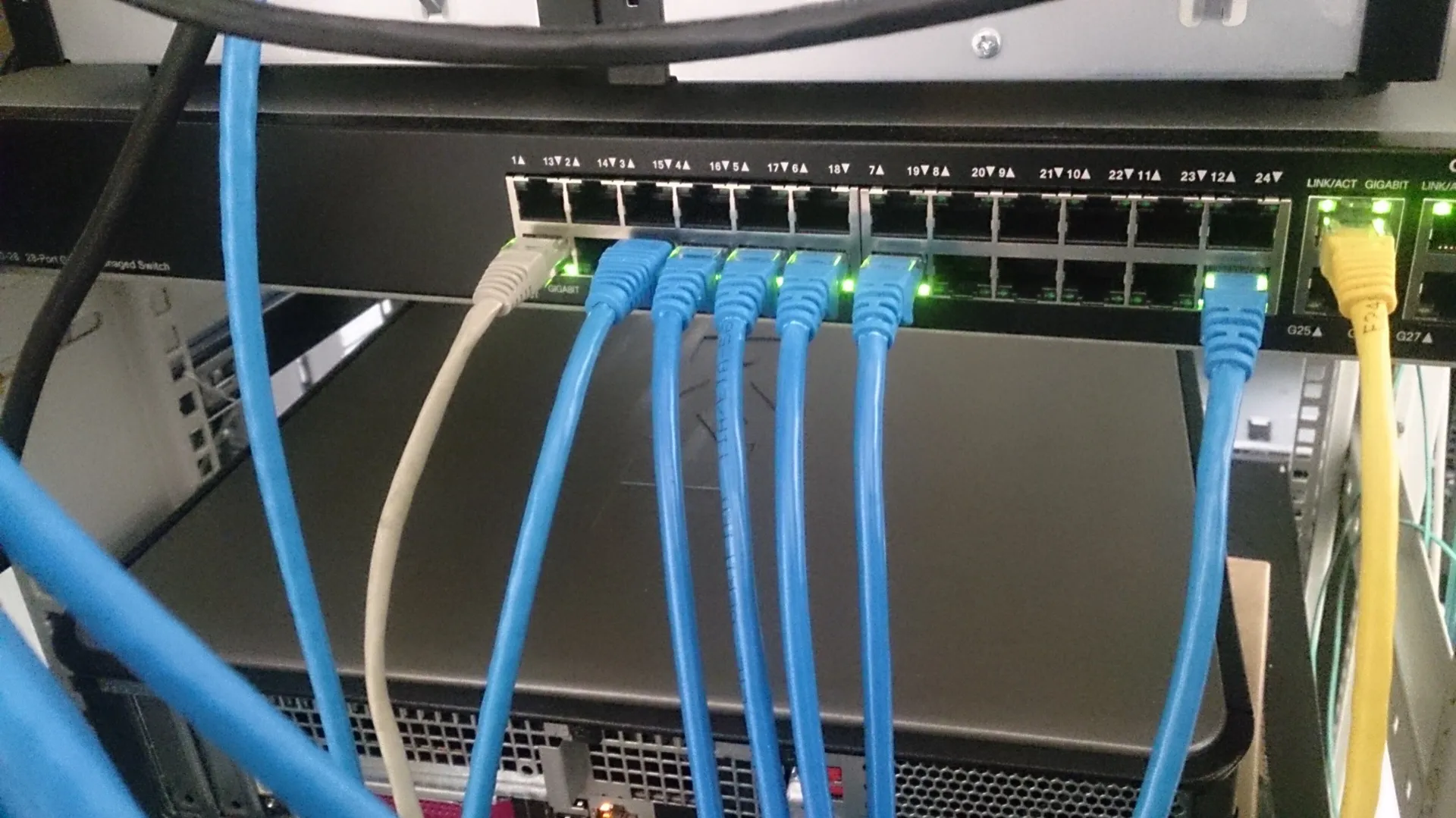
On Friday 13 November, two of the biggest systems in the world fell over on the same day. Microsoft’s email and Teams were down from Thursday into Friday. Then, on Friday afternoon, the US aviation regulator, the FAA, grounded every flight in the country for more than four hours. Over 9,000 flights were cancelled that day, Al Jazeera reported.
Both have given a reason, and neither of them is a cyberattack. Microsoft blames a software fault introduced during a network upgrade. The US Transportation Secretary says a contractor was replacing old routers, and one of them flooded the air traffic control system. “We don’t believe this was cyber at all,” he said.
I’m confident there’s more to it than that, even though I can’t prove it. I don’t think anyone would ever admit to an attack on systems like these, because it exposes the flaws. And when things like this happen together, I don’t think it’s coincidental.
What we do know
Some of this isn’t speculation. Overnight on 11 and 12 October, hackers took over the refrigeration controls in around 700 French supermarkets and turned the defrost settings up to high temperatures. It caused at least 15 fires and tens of millions of euros of spoiled food, according to BleepingComputer. On 9 November, France formally blamed a cyber unit of Iran’s Revolutionary Guard. Iran calls the accusation baseless. A second wave then hit more than 115 stores across six European countries in November.
Eleven days after France was hit, the UK government published its “Be Ready” advice, asking households to keep about 3 days of water, food, a torch and a radio. It didn’t mention Iran. But the timing is suspect to me. I think we were probably facing the same kind of threats to our infrastructure, and that advice was the quiet version of saying so. It hit France, and it didn’t hit us. I can’t prove that link either, but I’d be surprised if there wasn’t one.
The attempts never stop
The other thing that’s public is how often these attacks are tried. On 29 October, Binance, the world’s largest crypto exchange, lost $6.3bn in a single breach. The FBI has tied it to a North Korean group. It started with a fake job interview, where an engineer was persuaded to download an “assignment” that let the hackers in.
Binance says it stopped 57 suspected North Korean attacks this year. One still got through. That’s my point. These attempts are happening all the time against exchanges, banks and infrastructure, and they only need to work a tiny fraction of the time. When one does, it’s because someone has been trying for a long while, not because they got lucky on the day.
AI makes the attacks cheaper
This is where it connects to my work. AI is probably making attacks cheaper to run, harder to spot and easier to get in with, especially through phishing and stolen passwords. The UK’s National Cyber Security Centre says AI will almost certainly increase the volume and impact of cyber attacks, and phishing is where it helps attackers most.
Think about what got Binance. It wasn’t a clever bit of code at the start. It was a convincing recruiter and a believable job. AI makes that kind of thing almost free to produce, in any language, at volume. I wrote about the same problem from the advertising side in malware in the ad slot, where the way in was something that looked perfectly normal.
Something has changed
I also think there’s been some kind of step change that has let a run of these come through at once. One candidate is a pair of flaws in PHP, the software behind around 70% of websites. They were patched on 21 October, but attackers were already using them four days earlier, and from 30 October they were used to break into security systems and wipe data, according to Check Point. Nothing published links that to Microsoft or the FAA. But it’s the kind of thing I mean: one weakness opens up, and attacks that were waiting for a way in all arrive together.
Microsoft is due to publish its final report on 20 November, and the US government says it still hasn’t worked out exactly what the fault was. If the report shows a plain fault, I’ll say so.
Why it matters even if I’m wrong
Whether or not Friday was a hack, it showed exactly where the weak points are. Old routers. Routine upgrades. Supermarket fridges connected to the internet. One engineer and a fake job offer. For most businesses, the way in isn’t a nation state breaking down the door. It’s a password, or an email one of your team opens, and AI has just made that email a lot more convincing.