Article · AI, and what it’s actually doing
HMRC's £2.4bn customer system has gone to a US company
HMRC has handed Salesforce a CRM contract worth up to £2.4bn. Why it's disappointing no UK-founded business won it, and whether building it here was tested.
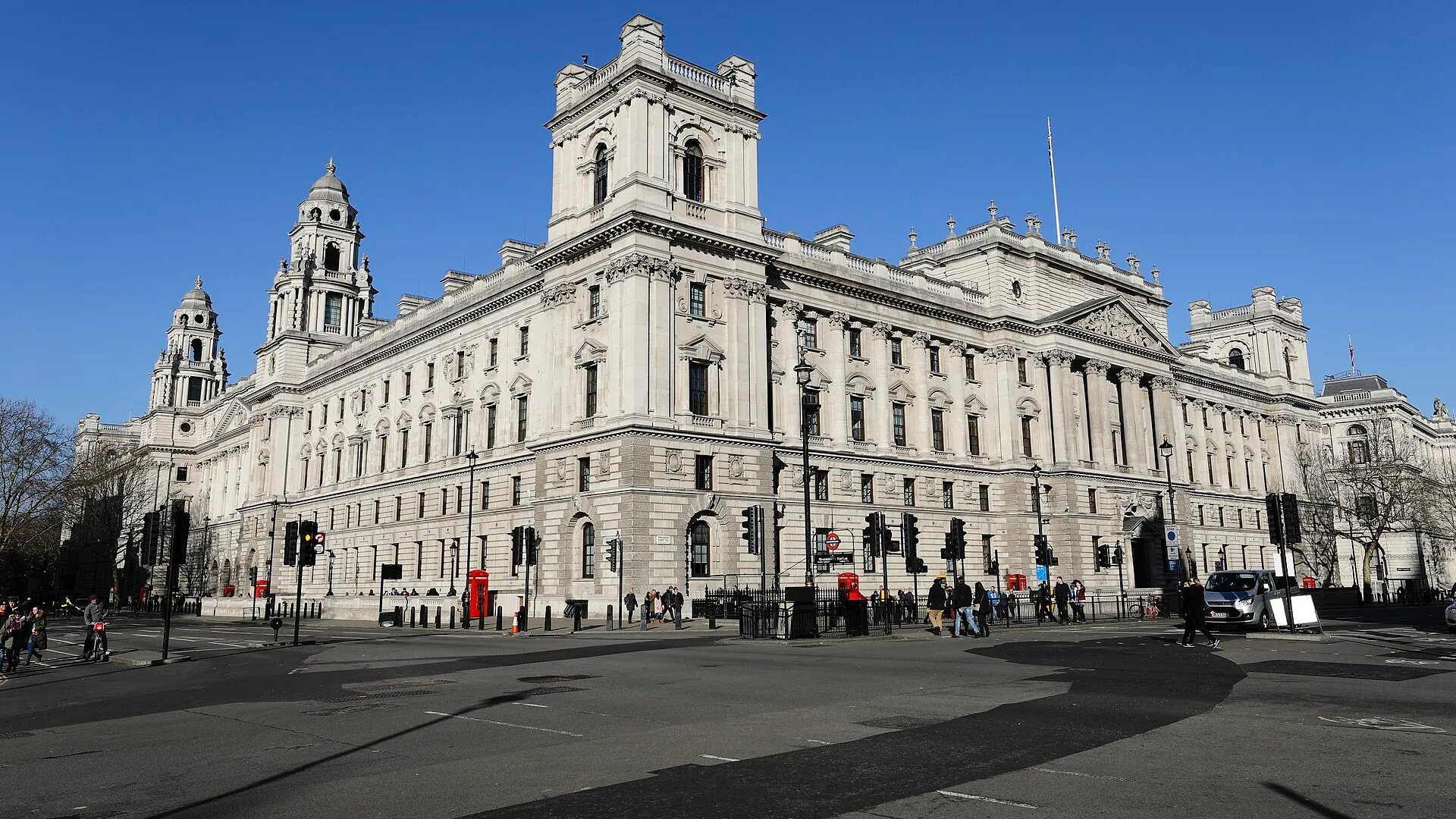
HMRC, the UK’s tax office, has picked Salesforce to run its new customer system. A customer relationship management system, or CRM, is the software that keeps track of every call, letter, web chat and open case with a taxpayer. HMRC’s current setup is a patchwork of older systems that don’t talk to each other properly, and this one is meant to replace them.
The contract is worth up to £2.4bn including VAT, or about £2bn without it. It runs to September 2036, with options to extend to 2041, according to The Register. In April 2025 HMRC estimated the job at £1bn. By the time it went to tender, the estimate had doubled. Two bids made it to the end, Salesforce and Pegasystems, and both are American companies.
Why it’s disappointing
I think it’s disappointing that a contract this size didn’t go to a UK-founded business. Keeping £2bn of public money inside the UK seems like the obvious advantage to me. The deal is with Salesforce’s UK arm, so some of it will pay British salaries and British tax. But the profit goes back to San Francisco.
It doesn’t take an economist to see the problem. Sending that money into a global software market, rather than putting it behind British founders, works against the thing the government says it wants, which is a UK that grows faster than its competitors. HMRC isn’t alone in this either. In March it signed a £473m, 10-year cloud hosting deal with Amazon Web Services, after every other bidder dropped out.
Part of the problem may be that no UK company was ready to bid for a job this size. I couldn’t find one in the running. That’s the disappointing bit too. A £2bn contract is exactly the kind of thing that turns a promising British software company into a big one.
Was building it here ever tested?
For this budget, I’d want to know whether anyone looked at giving the job to UK developers who already work on government systems. Their brief would be to bring the fragmented systems into one modern setup. As a country we suffer badly from systems that aren’t joined up, and the NHS is the obvious example. Every gap between two systems turns into admin for someone. A new system doesn’t fix that on its own if the old ones never get switched off, which is the same trap I wrote about in the AI pilot that never lands.
The government has already said this question should be asked. On 26 March 2026 the Cabinet Office announced a Public Interest Test. Before outsourcing any service worth £1m or more, a department now has to check “whether a service can be delivered more effectively in-house”. The same announcement promised to “put Britain’s national interest first and back British industry”, and named AI as a priority sector.
That came six months before HMRC chose Salesforce. The tender had already started by then, so the test may not have applied to it. But I couldn’t find anything published that says HMRC asked the question at all. I’m not saying a home-grown build would have been better. I’d just like to know it was looked at.
The case for Salesforce
The counterargument is a fair one. The UK government has a long record of big IT projects that run late, cost more and deliver less. Against that record, buying a product that already works for thousands of organisations is the safe bet. The service also needs fixing now. In 2022-23, callers spent a combined 798 years on hold to HMRC, according to the National Audit Office figures quoted by The Register. Nobody wants a 10-year experiment on top of that.
The rules matter too. The UK’s trade agreements limit how far a department can favour British suppliers, so HMRC couldn’t simply have picked a local company because it was local.
Still, not every contract needs to go to a British business, and this one may well have been the right call on delivery. But £2bn, in a sector the government itself calls a priority, was a rare chance to grow a UK tech company with public money. It has gone to the US without anyone saying whether the alternative was considered, and that’s money the UK won’t see working here for the next 10 to 15 years.