Article · Marketing that works
ChatGPT says it handles a fifth of Google's searches. Does that count?
OpenAI says ChatGPT handles a fifth as many searches as Google. How it counts them, what independent estimates say, and how to check you're in the answer.
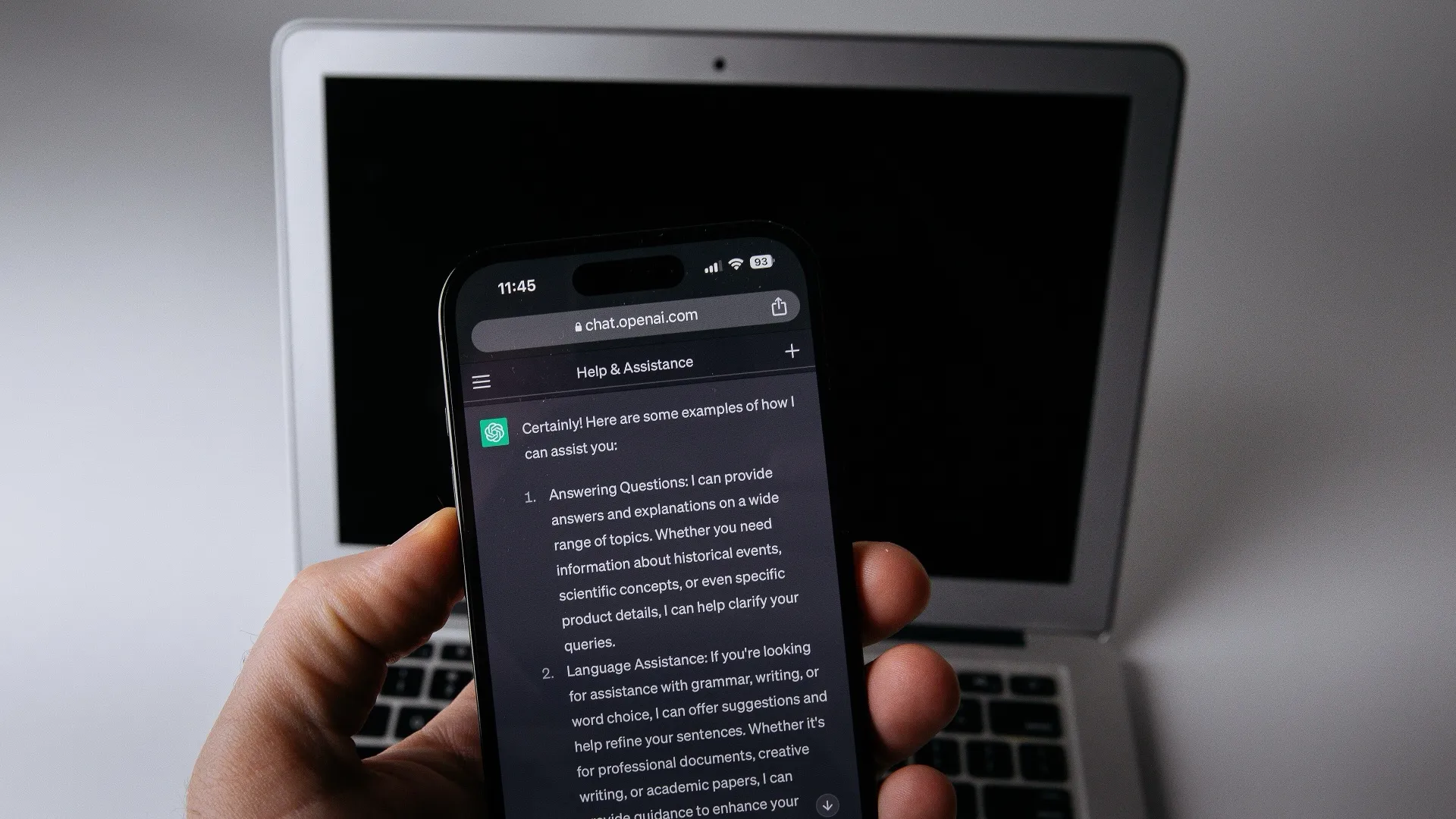
OpenAI says ChatGPT now handles about a fifth as many searches as Google. Adam Fry, who runs the consumer side of ChatGPT, said it in an interview this week, and added that weekly users have gone from 1bn to 1.2bn in two months, according to Search Engine Roundtable. If the number is right, ChatGPT is already bigger than Bing.
For me, I don’t think the number means quite what the headline suggests. But the bit underneath it, which questions people are taking to ChatGPT, is worth more attention than the number itself.
How OpenAI counts a search
When Fry was asked what counts, his answer was simple: every time someone asks ChatGPT a question and it goes to the web for the answer, that’s a search. Google counts what people type into Google. Those aren’t the same thing, and OpenAI gets to decide which of its own questions make the cut.
The independent estimates come in lower. Ahrefs worked through how people actually use ChatGPT and put it at around 12% of Google’s search volume, using usage data from July 2025. Peec AI, using a stricter definition of a search, puts it anywhere between 4% and 12%. Google, meanwhile, says its own search volume is at an all-time high.
So I think this is less about people leaving Google and more about people asking more questions, in more places. That’s still a big shift. It’s just a different one from the headline.
Which questions are moving
Fry named the topics that have grown most: looking up a person, a place or a thing, and questions about money and health, where people want something current and factual.
Those are the searches a business most wants to be the answer to. They’re also the ones advertisers pay most for on Google.
The difference is what happens next. Ahrefs found that Google sends around 190 times more traffic to websites than ChatGPT does, because people mostly take ChatGPT’s answer and don’t click through. So on ChatGPT, being named in the answer is most of the value. There often isn’t a visit to win afterwards. It’s the same shift I wrote about when Google’s AI answers started costing advertisers clicks, just further along.
Do you need to be in ChatGPT?
Every client is going to ask this. I think most of them should first check whether they’re in the answer at all.
You can now buy ads in ChatGPT. They went live in the UK in June, shown only to people on the free and Go plans, and OpenAI says they’re kept separate from the answer and don’t influence it. So you can pay to sit next to the answer, but not to be in it.
The check is simple and it costs nothing. Ask ChatGPT the questions your customers ask, the way they’d ask them, and write down who it recommends. Do it again in a fortnight and see what’s changed. If a competitor keeps coming up and you don’t, that’s the problem to fix before you spend anything on ads there.
What it costs to ignore
Whether the real number is 12% or 20%, it’s a lot of people asking for a recommendation and getting one. If ChatGPT isn’t naming you, it’s naming someone else, and you won’t see that customer in any report you currently look at.